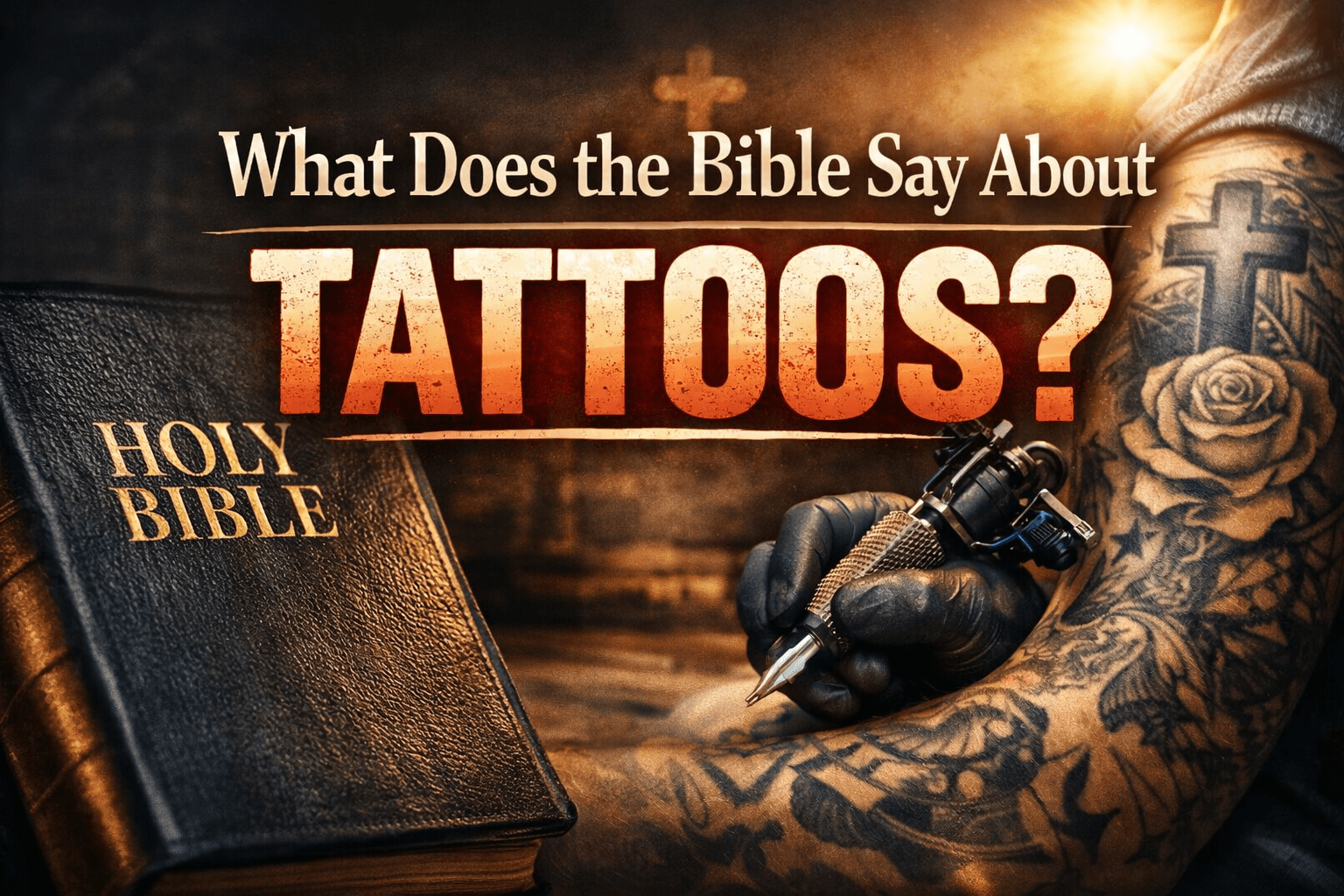
Tattoos are more mainstream than ever.
Many Christians wonder:
• Is getting a tattoo a sin?
• Does the Bible forbid tattoos?
This is one of the most searched faith questions online, and the answer requires careful biblical context rather than a quick proof-text.
This article walks through every major passage, the historical background, and how Christians today can think biblically and wisely about tattoos.
The Only Verse That Directly Mentions Tattoos
Whenever this topic comes up, one verse is quoted immediately:
You shall not make any cuts on your body for the dead or tattoo yourselves: I am the Lord.
At first glance, this seems like a clear prohibition. But to interpret it correctly, we must ask an essential question:
What was happening in the original context?
The Historical Context: Pagan Mourning Rituals
In the ancient Near East, surrounding pagan nations practiced rituals for the dead that included:
- Cutting the body
- Branding or tattooing the skin
- Marking oneself to honor false gods or deceased ancestors
These were idolatrous religious practices, not personal decoration.
You can see this same behavior condemned elsewhere:
- Deuteronomy 14:1 — forbids cutting the body for the dead
- 1 Kings 18:28 — prophets of Baal cut themselves in worship
The command in Leviticus sits inside a section of laws telling Israel not to imitate pagan worship practices.
So the original meaning is better understood as:
“Do not tattoo your body as part of pagan worship or mourning rituals.”
This is very different from most modern tattoo culture.
Is Leviticus Still Binding on Christians?
This is the next major question.
Christians must ask how Old Testament laws apply today.
The Old Testament law contains three categories:
1. Moral Law
Timeless commands reflecting God’s character (e.g., do not murder, do not steal).
2. Civil Law
Laws governing ancient Israel as a nation.
3. Ceremonial Law
Laws about ritual purity, diet, clothing, and symbols that set Israel apart from surrounding nations.
Leviticus 19 sits inside a chapter that includes commands such as:
- Do not wear mixed fabrics (19:19)
- Do not trim the edges of your beard (19:27)
- Do not plant two kinds of seed in a field (19:19)
These are ceremonial separation laws, not moral absolutes.
This matters because the New Testament teaches that ceremonial laws were fulfilled in Christ.
What the New Testament Says About the Body
While the New Testament never mentions tattoos directly, it gives guiding principles about the body.
Or do you not know that your body is a temple of the Holy Spirit within you, whom you have from God? You are not your own, for you were bought with a price. So glorify God in your body.
This is often used to argue against tattoos.
But context matters: Paul is addressing sexual immorality, not body art.
The principle is broader:
• Christians should honor God with their bodies.
That leads to the real question:
• Can a tattoo be done in a way that honors God?
Tattoos in a Positive Biblical Light?
Interestingly, the Bible contains imagery that looks very similar to a tattoo.
“On his robe and on his thigh he has a name written: King of kings and Lord of lords.”
This describes Christ bearing a visible inscription identifying His kingship. While symbolic, it shows that markings themselves may not be inherently sinful.
The Real Biblical Principles to Apply
Instead of asking “Are tattoos forbidden?”, the better question is:
• Can getting a tattoo be done in a God-honoring way?
Scripture gives several guiding principles.
1. Motivation Matters
Ask:
Why do I want this tattoo? Is it about identity, rebellion, vanity, or worship?
1 Samuel 16:7 reminds us:
“Man looks at the outward appearance, but the LORD looks at the heart.”
A tattoo driven by rebellion or pride is sinful.
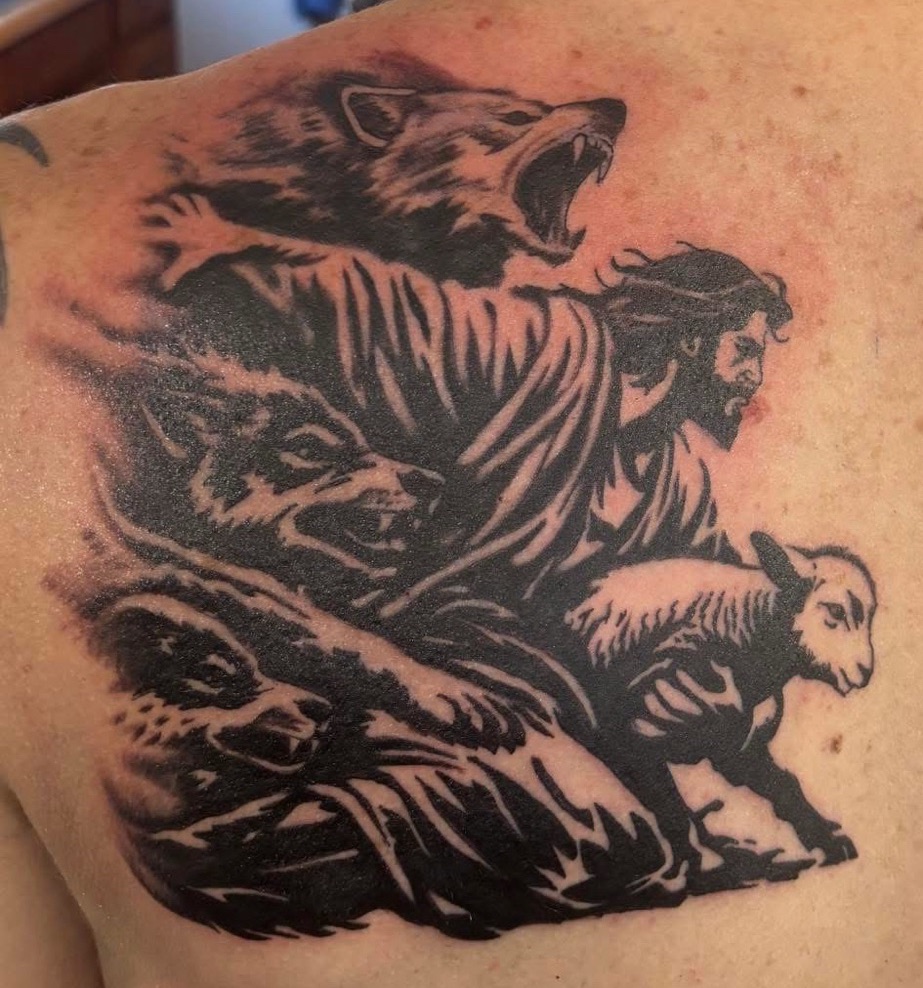
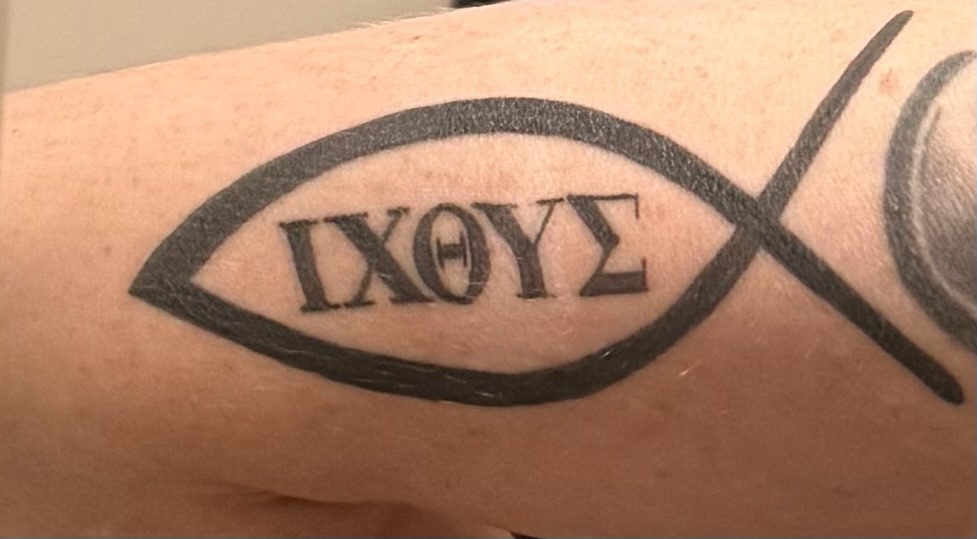
A tattoo motivated by remembrance, testimony, or meaningful symbolism may not be.
2. Christian Freedom and Conscience
Romans 14 teaches that some issues fall into disputable matters.
These are areas where Scripture gives principles but not explicit commands.
Paul says:
“Each one should be fully convinced in his own mind.” (Romans 14:5)
If a believer feels convicted that tattoos are wrong, they should not get one.
If another believer does not feel convicted, they have freedom.
The key rule:
– Never violate your conscience before God.
3. Avoid Idolatry or Sinful Symbolism
A tattoo becomes sinful if it promotes:
- False religions
- Occult imagery
- Sexual immorality
- Violence or hatred
Philippians 4:8 gives a filter:
Whatever is true, honorable, just, pure, lovely — think about these things.
The same filter applies to permanent body art.
4. Consider Your Witness
Christians are called to consider how their actions affect others.
1 Corinthians 10:31–33 teaches:
“Whatever you do, do all to the glory of God… not seeking my own advantage, but that of many.”
Questions to ask:
- Will this help or hinder my witness?
- Will it unnecessarily offend people I’m trying to reach?
This doesn’t mean living to please everyone.
It means living missionally and wisely.
Common Christian Questions About Tattoos
Are tattoos automatically sinful?
• No. The Bible does not forbid modern tattoos explicitly.
Were tattoos banned in the Old Testament?
• Yes, but specifically as pagan religious rituals.
Can Christians get tattoos today?
• Possibly, if done with the right heart, wisdom, and motives.
Should every Christian get tattoos?
• No. It remains a matter of conscience and calling.
The Balanced Biblical Conclusion
The Bible doesn’t give a universal ban on modern tattoos.
Instead, it gives principles about holiness, wisdom, and motives.
A tattoo can be:
- Sinful if driven by rebellion, idolatry, or vanity.
- Permissible if done thoughtfully, prayerfully, and for God’s glory.
The core issue is not ink on skin… it’s the condition of the heart.
Before getting a tattoo, a Christian should prayerfully ask:
- Can I do this in faith?
- Can I do this for God’s glory?
- Can I thank God for it afterward?
Romans 14:23 gives the final test:
“Whatever does not proceed from faith is sin.”
Study the Bible Deeper
• If you’re serious about growing in your understanding of Scripture, I highly encourage you to try Logos Bible Software—you can start with a free trial and see how it transforms your study time. — FREE TRIAL
• And for solid, biblically sound books and resources, take a look at ChristianBook.com—a great place to build your library. — CLICK HERE
Discover more from Mathetes Mission
Subscribe to get the latest posts sent to your email.

 Mathetes Mission