
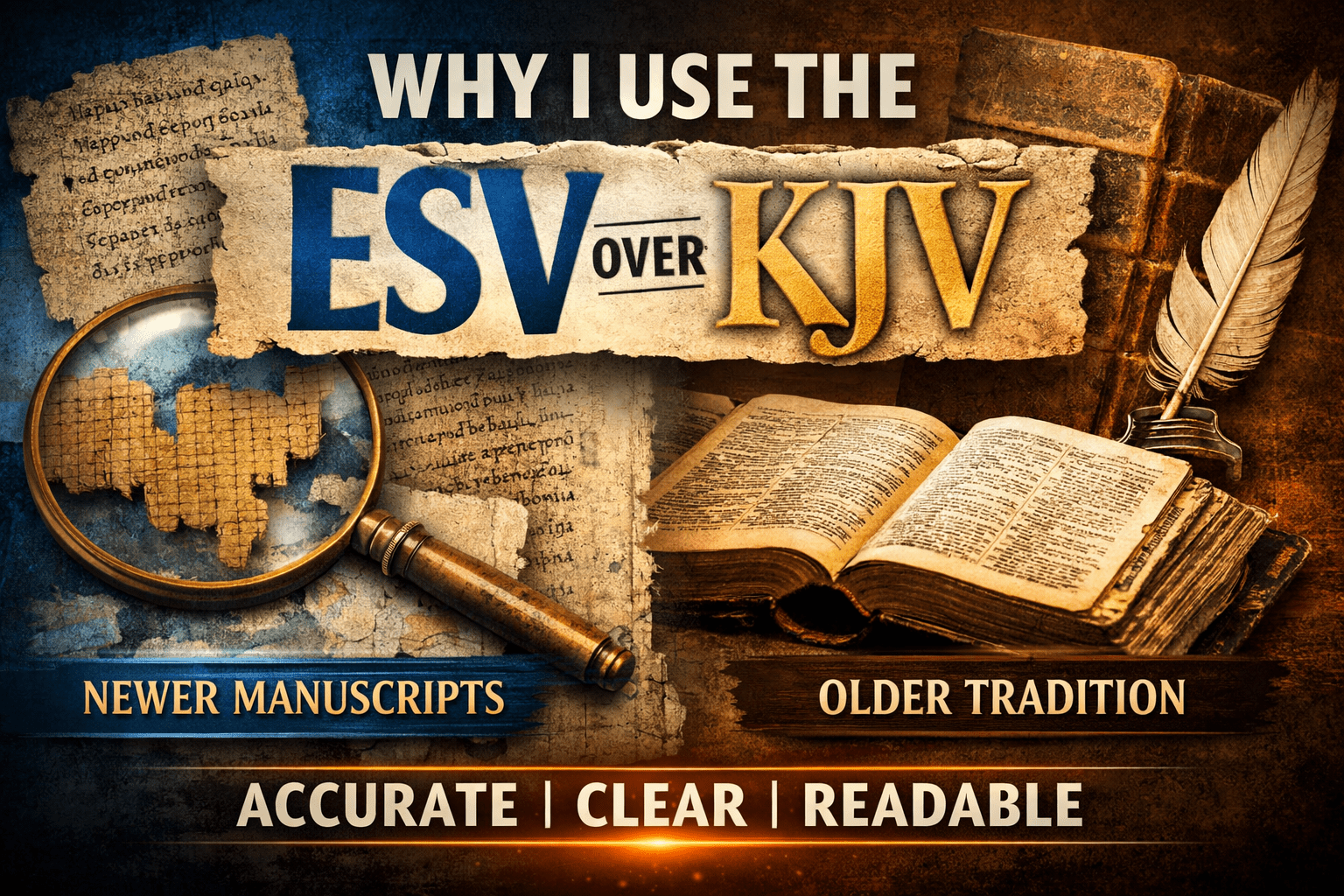
Few questions spark more emotion among Christians than Bible translations.
For many, the King James Version (KJV) holds deep historical and devotional significance. And rightly so!
It shaped the English-speaking church for over four centuries and was a faithful translation for its time.
Yet, when I read, study, and learn Scripture today, I primarily use the English Standard Version (ESV).
This choice is not driven by trendiness or convenience, but by faithfulness to the earliest biblical manuscripts, improved scholarship, and clarity for modern readers.
Here’s why.
1. The ESV Is Based on Better and Older Manuscripts
The KJV (1611) was translated using the best resources available at the time, but those resources were limited.
The KJV’s Textual Base
The New Testament of the KJV relies primarily on the Textus Receptus, a Greek text compiled in the 1500s by Erasmus. While valuable, it was based on:
• A relatively small number of late medieval manuscripts
• Some manuscripts dating 1,000+ years after the originals
• Occasional back-translations from Latin where Greek copies were missing
The ESV’s Textual Base
The ESV draws from a much broader and earlier manuscript tradition, including:
• Codex Sinaiticus (330-360AD)
• Codex Vaticanus (300-330AD)
• Papyrus manuscripts (some within 100–150 years of the originals)
**[Check out some early manuscript evidence here https://manuscripts.csntm.org]**
• The full body of textual discoveries made in the last 400 years
These manuscripts were unknown to the KJV translators.
The goal of textual criticism is not to “change” Scripture, but to recover the wording closest to what the apostles actually wrote. The ESV reflects that progress.
2. The ESV Corrects Known Errors Found in the KJV Tradition
This is often misunderstood, so clarity matters here.
The KJV does not contain theological corruption, but it does include passages that likely were not part of the original text, added through centuries of scribal transmission.
Common Examples:
– 1 John 5:7 (Comma Johanneum) – a Trinitarian formula absent from all early Greek manuscripts
– Acts 8:37 – likely a later baptismal confession added in the margin
– Mark 16:9–20 – almost certainly a later ending
– John 7:53–8:11 – the woman caught in adultery… historically treasured but textually disputed
Modern translations like the ESV either:
a). Omit these verses, or
b). Include them with clear textual footnotes
This isn’t “removing Scripture”, it’s honesty about manuscript evidence.
And importantly, no core Christian doctrine is lost by these corrections!
3. The ESV Preserves Word-for-Word Accuracy Without Archaic Language
The ESV follows a formal equivalence philosophy—meaning it aims to translate the actual words and grammar of Hebrew and Greek, not just the ideas.
This makes it ideal for:
• Exegesis
• Teaching
• Apologetics
• Serious Bible study
At the same time, it avoids language that has shifted meaning since 1611.
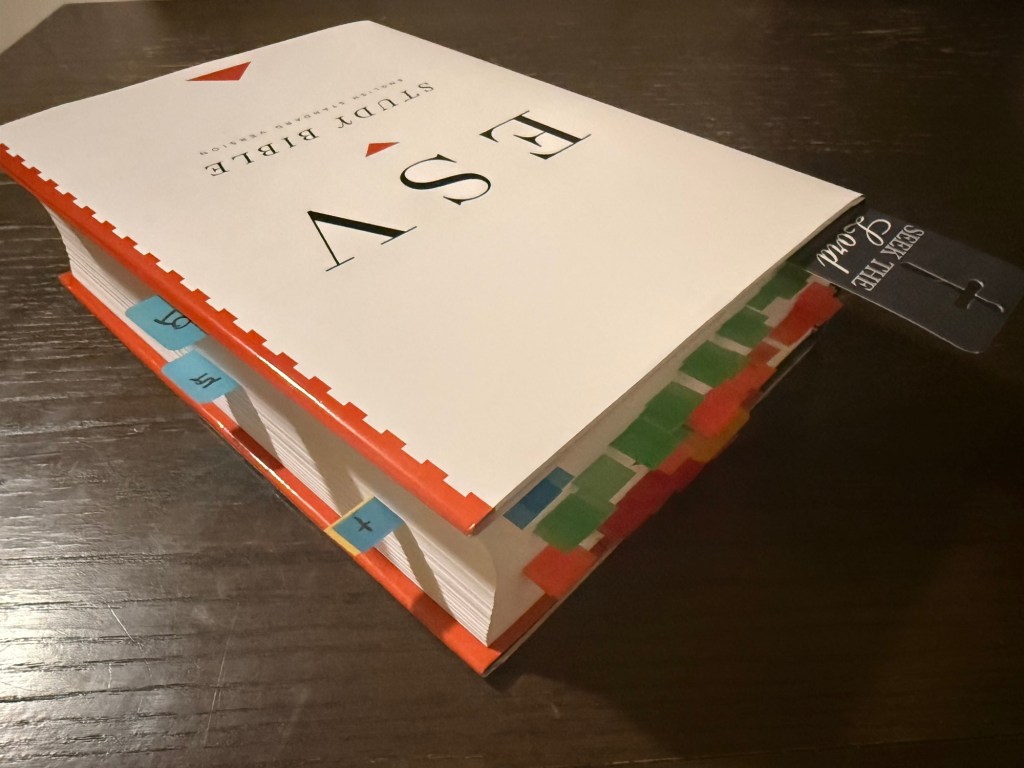
Examples of Archaic Confusion in the KJV:
– “Prevent” once meant precede
– “Conversation” meant way of life
– “Charity” meant love
– “Quick” meant alive
The ESV communicates the same truths without requiring a historical dictionary to understand them.
Clarity is not compromise.
Clarity is love for the reader.
4. The ESV Is Designed for Teaching and Discipleship
Scripture was not given merely to be admired.
It was given to be understood, obeyed, and proclaimed.
“Go therefore and make disciples…” (Matthew 28:19)
If the average believer struggles to understand what they’re reading, the problem is not reverence… it’s accessibility.
The ESV:
• Reads naturally in modern English
• Maintains theological precision
• Is widely used in seminaries, churches, and scholarly works
• Helps new believers engage Scripture confidently!
When Paul wrote to the churches, he didn’t write in archaic language to sound holy, he wrote in common Greek so people could understand.
5. Honoring the KJV Without Treating It as Inspired Above the Originals
The KJV is a monumental translation.
It is not an inspired edition.
Scripture was inspired in Hebrew, Aramaic, and Greek… not in 17th-century English.
To suggest one English translation is perfect or untouchable is to:
• Confuse translation with inspiration,
• Elevate tradition above evidence,
• Risk making Scripture less accessible to the next generation
The ESV does not replace the KJV, it builds upon centuries of scholarship and discovery that God has providentially allowed.
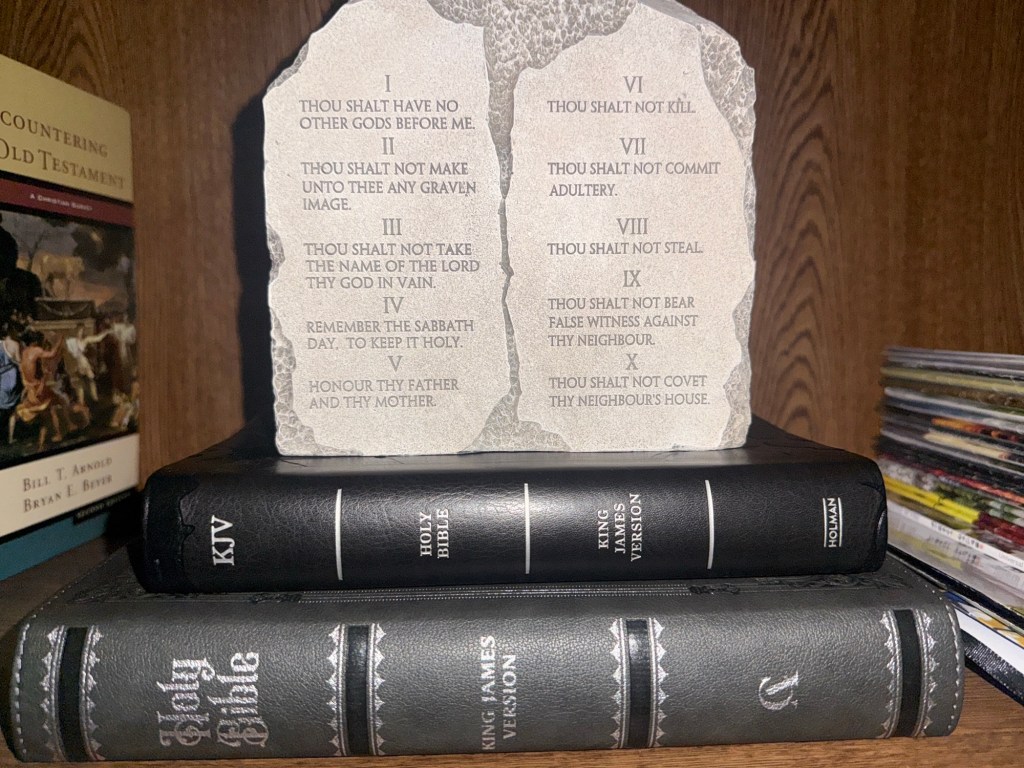
Final Thoughts
I use the ESV because I want:
The earliest and most accurate text.
Faithfulness to the original languages.
Clear communication for today’s reading.
If the goal is to know Christ, teach truth, and make disciples, then using the best tools available is not unfaithful, it’s responsible stewardship.
“The sum of your word is truth.” (Psalm 119:160)
And our calling is to handle the Word of God accurately and responsibly.
Study the Bible Deeper
• If you’re serious about growing in your understanding of Scripture, I highly encourage you to try Logos Bible Software—you can start with a free trial and see how it transforms your study time. — FREE TRIAL
• And for solid, biblically sound books and resources, take a look at ChristianBook.com—a great place to build your library. — CLICK HERE
Discover more from Mathetes Mission
Subscribe to get the latest posts sent to your email.

 Mathetes Mission