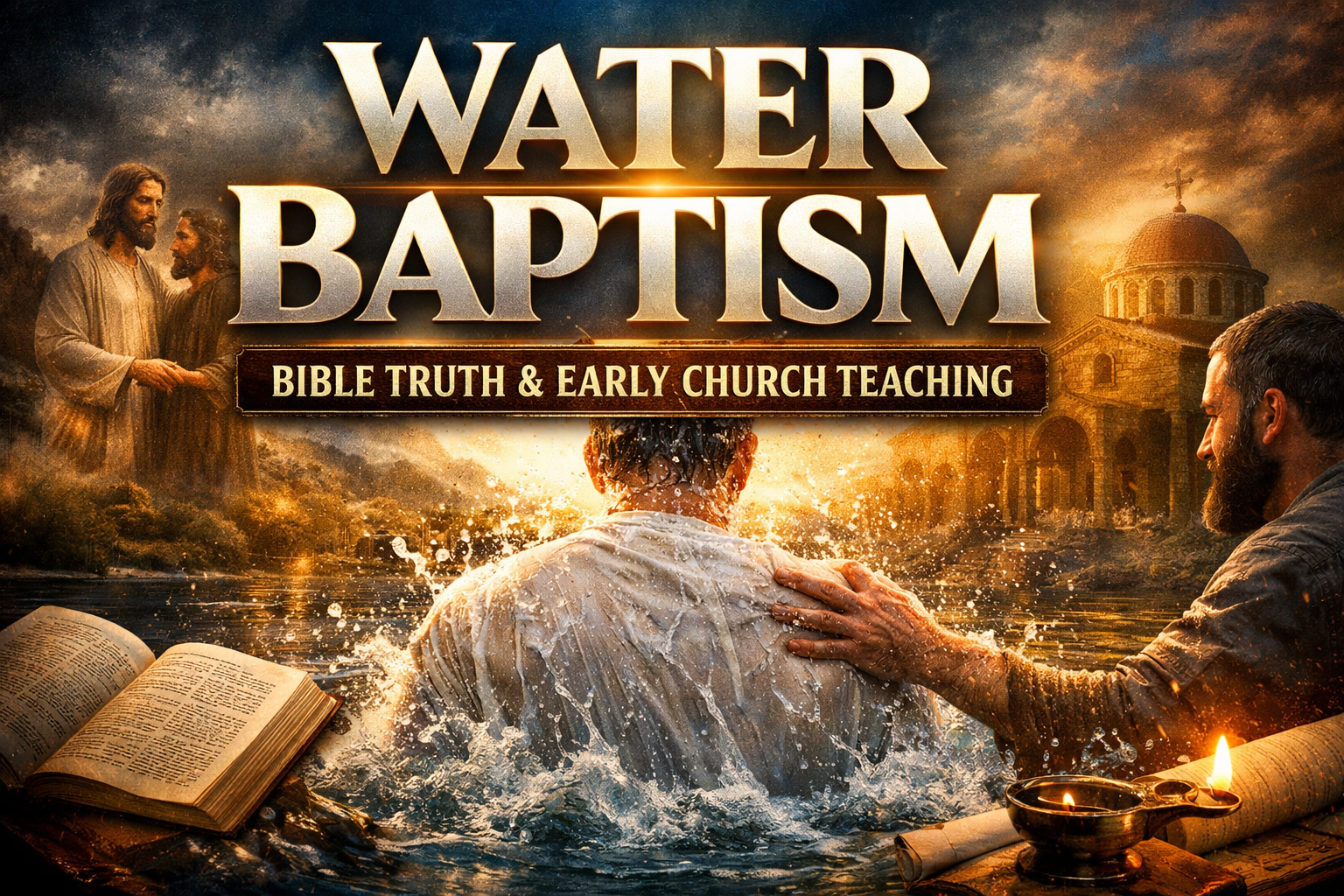
Water baptism stands in the beginning of the Christian journey.
From the ministry of John the Baptist, to the command of Jesus, to the consistent practice of the early church, baptism is not presented as an optional symbol but as a commanded act of obedience tied to repentance, faith, and new life in Christ.
Let’s trace what the Bible teaches about water baptism, and then examine how the earliest Christians (1st–3rd century) understood and practiced it based on surviving historical documents.
Baptism in the Old Testament Background
While Christian baptism is not fully developed in the Old Testament, the groundwork is clearly laid.
Ritual washings symbolized cleansing and consecration before God (Exodus 29:4; Leviticus 16:4).
The prophets also pointed toward a future, deeper cleansing:
“I will sprinkle clean water on you, and you shall be clean from all your uncleannesses…” (Ezekiel 36:25)
This promise of spiritual cleansing through water finds its fulfillment in the gospel.
John the Baptist and the Call to Repentance
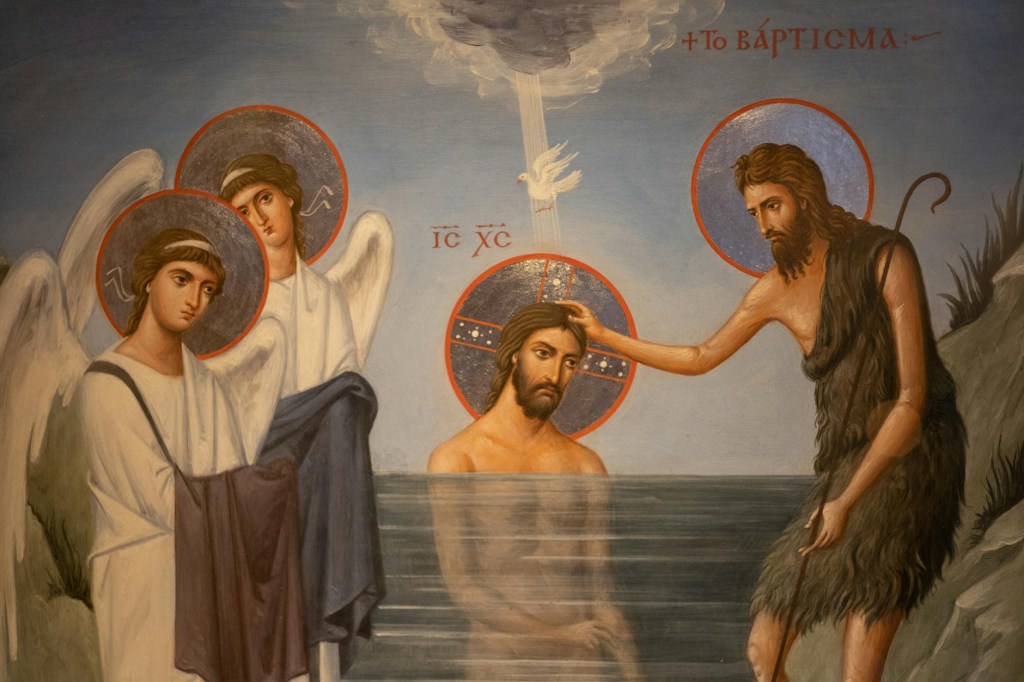
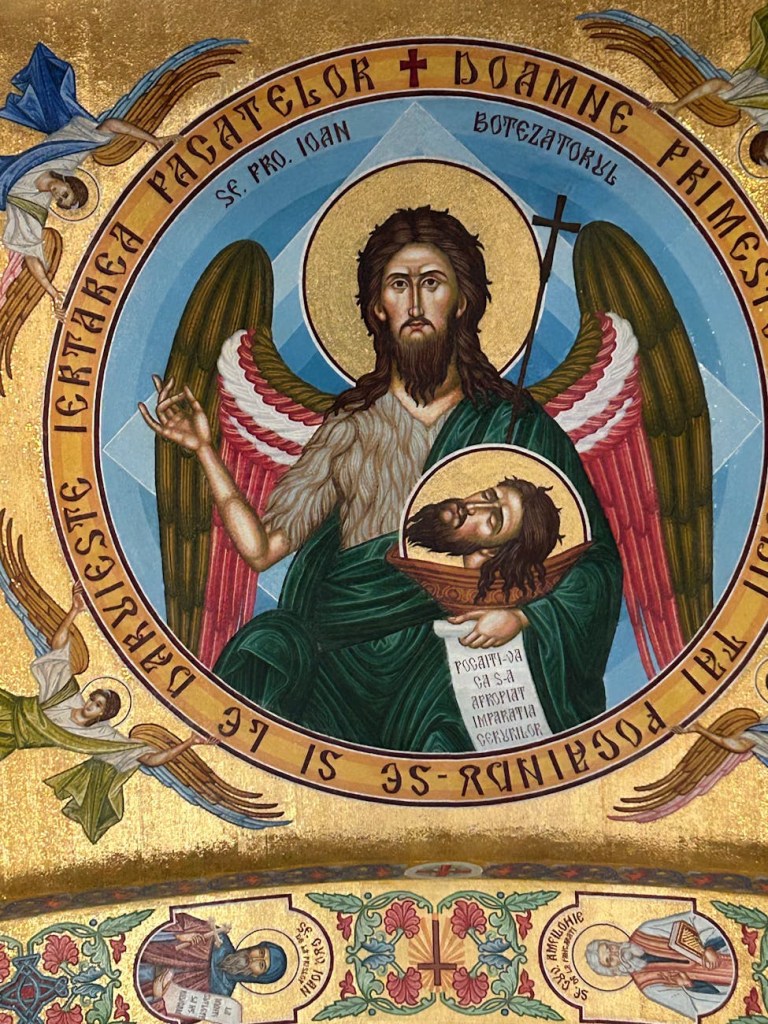
“John appeared, baptizing in the wilderness and proclaiming a baptism of repentance for the forgiveness of sins.” (Mark 1:4)
John’s baptism was not merely symbolic, it marked repentance and preparation for the coming Messiah.
Jesus Himself submitted to baptism, not because He needed repentance, but to identify with sinners and to inaugurate His ministry.
“And when Jesus was baptized… behold, the heavens were opened to him.” (Matthew 3:16)
This moment establishes baptism as something Christ affirms, not abolishes.
Jesus’ Command: Baptism and Discipleship
After His resurrection, Jesus gives a direct command:
“Go therefore and make disciples of all nations, baptizing them in the name of the Father and of the Son and of the Holy Spirit.” (Matthew 28:19)
Baptism is inseparable from discipleship.
It is the public act by which someone is identified with the Triune God and brought into the visible community of believers.
Baptism in the Book of Acts
In Acts, baptism follows belief with striking consistency.
At Pentecost, Peter declares:
“Repent and be baptized every one of you in the name of Jesus Christ for the forgiveness of your sins…” (Acts 2:38)
Those who received the message were baptized immediately (Acts 2:41).
The Ethiopian eunuch, immediately after hearing the good news about Jesus, responds by asking a simple question:
“See, here is water! What prevents me from being baptized?” (Acts 8:36)
Then Philip baptized him. Just those two and some water.
The Ethiopian eunuch of Acts 8:27–39 was probably minister of the treasury, and has been credited with founding Christianity in Ethiopia.
Baker Encyclopedia of the Bible
Again and again, baptism is the immediate response to faith.
• Not delayed
• Not dismissed
• Never treated as insignificant.
The Theology of Baptism in the Epistles
The apostles explain baptism not as empty ritual, but as participation in Christ’s death and resurrection.
Paul writes:
“We were buried therefore with him by baptism into death, in order that, just as Christ was raised from the dead… we too might walk in newness of life.” (Romans 6:4)
Baptism marks a decisive break with the old life and entrance into the new.
Peter echoes this truth carefully:
“Baptism… now saves you, not as a removal of dirt from the body but as an appeal to God for a good conscience, through the resurrection of Jesus Christ.” (1 Peter 3:21)
Scripture consistently holds baptism together with faith, repentance, and grace.
What the Earliest Christians Believed and Practiced
The clearest window into early Christian baptism comes from documents written within living memory of the apostles.
The Didache (late 1st century)
The Didache is one of the earliest known Christian manuals, likely written between AD 70–100.
It gives direct instructions on baptism:
“Baptize in the name of the Father and of the Son and of the Holy Spirit in living water. But if you have not living water, baptize in other water…” (Didache 7)
This shows:
• Trinitarian baptism
• A preference for immersion
• Flexibility when necessary
Baptism was already standardized and central to Christian practice.
Justin Martyr (c. AD 150)
Justin, writing to explain Christianity to the Roman world, describes baptism in clear theological terms:
“As many as are persuaded and believe… are brought by us where there is water, and are regenerated in the same manner in which we were ourselves regenerated.” (First Apology, 61)
Justin connects baptism with:
• Repentance
• New birth
• Forgiveness of sins
This reflects exactly what Scripture teaches.
Tertullian (early 3rd century)
Tertullian speaks of baptism as the moment of entering the Christian life:
“We are not washed in order that we may cease sinning, but because we have ceased.”
He emphasizes repentance first, followed by baptism as the outward confession of inward faith.
Even when Tertullian debates when baptism should occur, he never questions whether it should occur, because the church universally practiced it.
What the Early Church Did Not Believe
It is equally important to note what early Christians did not teach:
• They did not view baptism as optional.
• They did not separate baptism from repentance and faith.
• They did not treat baptism as a later church invention.
From Scripture through the earliest post-apostolic writings, baptism is assumed to be part of conversion itself.

What’s NOT Said, or Specified
Scripture does not specify explicit restrictions on who can perform baptism - Wayne Grudem
Even Jesus was baptized, yet wasn’t recorded doing baptisms Himself.
(although Jesus himself did not baptize, but only his disciples), (John 4:2, ESV)
While disciples are commissioned to baptize and make more disciples, multiple individuals performed baptisms. Including Philip the evangelist, who baptized Samaritans and an Ethiopian eunuch, and other believers who likely did most of the baptizing alongside apostles like Peter and Paul. - J. Rodman Williams
Baptism as Obedience, Not Earning
The consistent biblical and historical witness is clear… baptism does not earn salvation, but it is the God-ordained response to salvation.
Jesus commands it.
The apostles practice it.
The early church preserves it without controversy.
Baptism is where belief meets obedience… where faith steps into action.
Water baptism stands at the crossroads of theology, history, and discipleship.
The Bible presents it as a commanded act tied to repentance, forgiveness, and new life.
The earliest Christians, those closest to the apostles, understood and practiced baptism exactly this way.
For the Christian, baptism is not about tradition or denominational preference. It is about obedience to Christ, union with Him, and public identification with the gospel that saves.
“For as many of you as were baptized into Christ have put on Christ.” (Galatians 3:27)
Discover more from Mathetes Mission
Subscribe to get the latest posts sent to your email.

 Mathetes Mission